

Tinh Hoa Cam LMSS Plus – Bí Quyết Tăng Cường Sức Khỏe Toàn Diện Hiệu Quả
20 Eylül 2025Khám Phá Nỗ Hũ Club – Thiên Đường Giải Trí Đỉnh Cao
21 Eylül 2025Navigating the complexities of network management requires a reliable tool that offers both flexibility and control. For MikroTik router users, Winbox login stands out as the premier utility—providing an intuitive interface to configure, monitor, and troubleshoot routers seamlessly. Whether you’re a seasoned network administrator or a beginner looking to delve into MikroTik’s capabilities, understanding Winbox login is essential for efficient network operations. This article explores everything from the basics to advanced techniques related to Winbox login, empowering you to harness its full potential for your networking needs.
Understanding Winbox Login: The Gateway to MikroTik Router Management
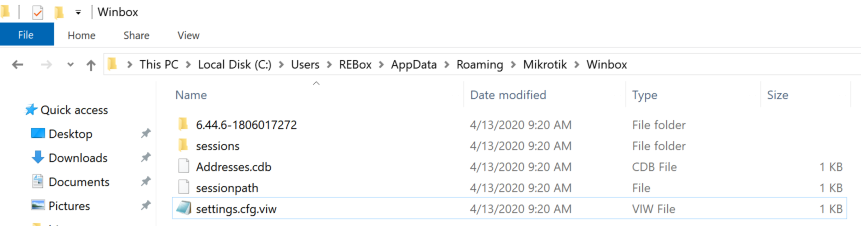
Accessing your MikroTik router effectively hinges on understanding how Winbox login works. This process isn’t just about inputting credentials; it embodies security protocols, connection methods, and configuration nuances that ensure safe and efficient management of your network infrastructure. Grasping the core principles of Winbox login lays the foundation for more advanced configuration and troubleshooting endeavors.
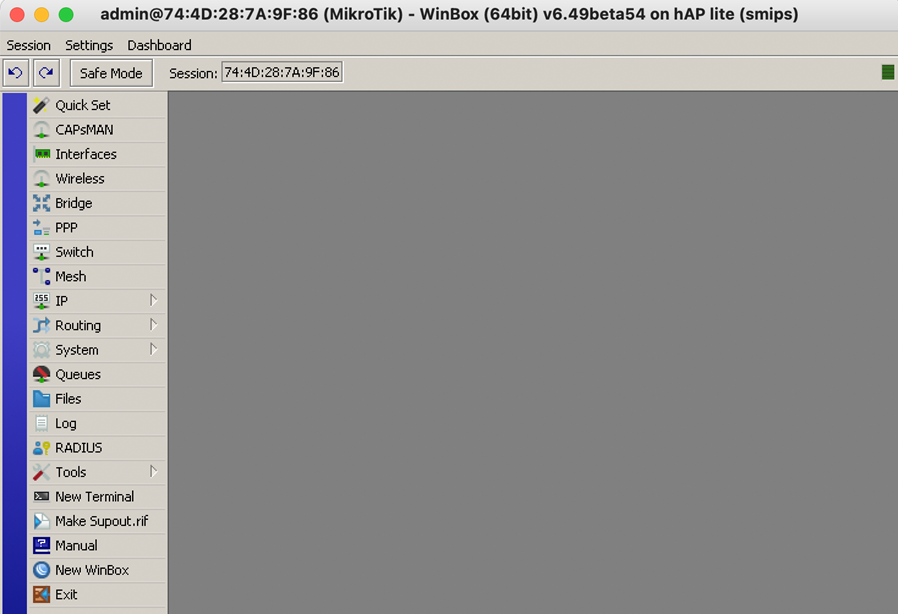
Once connected via Winbox, users gain access to a comprehensive graphical interface that simplifies the complex configurations typically handled through command-line interfaces. This ease of use accelerates deployment, reduces errors, and enhances situational awareness of network status. However, the process of logging in must be properly secured to prevent unauthorized access, which becomes critical in environments handling sensitive data.
In essence, a successful Winbox login provides the key to unlocking detailed insights into your MikroTik device, empowering you to implement configurations, updates, and monitoring with efficiency and confidence. Ignoring the intricacies involved can lead to failed connections or security vulnerabilities, hence understanding the process becomes every network administrator’s priority.
Preparing Your Environment for Secure Winbox Login
Before attempting to connect via Winbox, ensure your network environment is ready and secure. Check that your computer or device network is properly configured to communicate with the MikroTik router. Usually, this involves being on the same subnet or having appropriate routing configurations if accessing over the internet.
Security concerns are paramount when dealing with network devices. Always verify that the router’s management interface isn’t exposed directly to the open internet unless protected by VPNs or firewalls. By doing so, you minimize the risk of unauthorized access during your Winbox login sessions. Additionally, having the latest firmware and software updates on your MikroTik device ensures compatibility and security enhancements to facilitate smooth login procedures.
Lastly, ensure you possess the correct credentials—username and password—and understand the IP address or hostname of the MikroTik device. Having these prepared ahead of attempting to initiate a Winbox login reduces frustration and expedites network management tasks. Connecting securely also involves configuring your local device with up-to-date antivirus and firewall settings to prevent interception or malware intrusion during the login process.
The Connection Process – Step-by-Step
Initiating a Winbox login involves several straightforward steps, but paying attention to details guarantees a successful connection. First, download the latest Winbox utility from the MikroTik official website. The software is lightweight and compatible with Windows, Linux (via Wine), and Mac OS, making it accessible across multiple operating systems.
Once installed, open Winbox and enter the IP address of your MikroTik router in the “Connect To” field. If your device’s IP address is unknown, Winbox offers a neighbor discovery feature that automates detection within the local network. After inputting the IP, provide your administrator username and password. Confirm that you select the correct interface to initiate the connection, especially when multiple network interfaces are involved.
Click “Connect,” and the Winbox interface will authenticate your credentials. Upon successful login, you’ll see a GUI packed with features designed for advanced network configuration. If the connection fails, verify your credentials, network connectivity, and router’s firewall settings. Failed logins are often attributable to incorrect passwords or IP restrictions set within the MikroTik router configuration.
Securing Your Winbox Login for Enhanced Network Protection
Security is arguably the most critical aspect of managing network devices. With Winbox login, safeguarding access prevents malicious activities, unauthorized configuration changes, and potential network breaches. Implementing security best practices not only protects your MikroTik router but also ensures the integrity and reliability of your entire network infrastructure.
Securing Winbox login involves multiple layers of protection—ranging from basic password policies to advanced network security settings. The goal is to create a robust environment where access is tightly controlled while maintaining ease of management for authorized personnel. In this context, understanding how to implement these security measures is indispensable.
Most MikroTik routers come with default configurations that are not optimized for security, especially if unchanged after initial setup. Default usernames, often “admin,” combined with simple passwords, make routers vulnerable to brute-force attacks. Therefore, changing default credentials immediately is the first step toward securing your Winbox login.
Configuring Firewall Rules for Restricted Winbox Access
A key security measure involves configuring your router’s firewall to restrict access to the Winbox management port (default port 8291). Limiting this port to specific trusted IP addresses minimizes the attack surface. For example, if only your local network needs access, restrict it to internal IP ranges, denying external access altogether.
Firewall rules should be carefully crafted to allow legitimate traffic while blocking all unsolicited attempts. Use MikroTik’s scripting capabilities to automate monitoring and alerting on suspicious login attempts. Also, consider changing the default port for Winbox to a less commonly targeted number to reduce automated attacks.
Another security measure involves enabling and configuring SSL/TLS encryption for management sessions. While Winbox itself doesn’t natively support encrypted connections, tunneling Winbox through an SSH or VPN connection ensures transport layer security. This prevents man-in-the-middle attacks and packet sniffing, which can compromise login credentials.
Employing Additional Authentication Methods
Beyond passwords, integrating multiple authentication factors significantly boosts security. MikroTik devices support various authentication mechanisms, such as RADIUS or LDAP, enabling centralized management and enhanced security policies. Implementing multi-factor authentication (MFA)—where users verify their identity through additional means like a mobile app or hardware token—further reduces risks associated with compromised credentials.
Regularly updating firmware and using strong, complex passwords form the bedrock of security. Monitoring login attempt logs helps identify potential intrusion attempts early, allowing preventative measures to be taken. Ultimately, securing Winbox login is an ongoing process that demands vigilance, incremental improvements, and adherence to security best practices in network management.
Troubleshooting Common Winbox Login Issues and How to Overcome Them

Despite careful setup, issues with Winbox login can still arise, presenting obstacles to managing your MikroTik router effectively. Recognizing common problems and understanding how to resolve them saves time and ensures minimal disruption to your network operations. This section provides in-depth troubleshooting techniques for the most frequent login challenges.
From connectivity problems to credential errors, troubleshooting involves methodical diagnostics. First, verify network connectivity—ping the router’s IP to confirm its availability. If the ping fails, examine your device’s IP configuration and ensure both devices are on the same subnet unless VPNs or routing are involved. This fundamental step helps identify physical or network-layer issues early.
Next, confirm that Winbox is running on the latest version compatible with your MikroTik device. Sometimes, an outdated client may face incompatibilities or bugs. Also, check your firewall settings on both your local machine and the MikroTik device, ensuring that port 8291 (or your custom port) is open and accessible.
Credential issues are frequent culprits. Double-check that the username and password are correct and that Caps Lock isn’t inadvertently enabled. If you suspect password corruption or forgetfulness, reset the device to default configuration or recover credentials through the MikroTik recovery procedure. Lastly, if login attempts are repeatedly blocked, review your router’s IP access list or failed login counters that may temporarily lock out users after multiple failed tries.
Safe Recovery and Reset Procedures
In situations where credentials are lost or the router becomes unresponsive, knowing how to recover access safely is vital. MikroTik routers offer several recovery options, including password resets via serial or netinstall methods. These procedures allow you to restore the router to a manageable state without risking corruption or data loss.
Performing a factory reset by pressing the reset button on the device can clear configurations, including problematic login credentials, but should be done cautiously. After resetting, ensure you reconfigure security settings immediately to prevent vulnerabilities. For advanced recovery, MikroTik’s Netinstall utility enables reimaging the device’s firmware, which is especially useful after firmware corruption or malware infection.
Monitoring logs for failed login attempts provides insights into potential brute-force attacks. Implementing account lockout policies temporally enhances security, ensuring persistent attackers can’t exhaust login attempts. Connecting remotely via Winbox should always be conducted over secured networks, and keeping recovery options documented minimizes downtime during troubleshooting.
Conclusion
Mastering Winbox login is fundamental for efficient and secure MikroTik router management, offering a powerful graphical interface to configure, monitor, and troubleshoot network devices. Secure setup practices, such as password policies, firewall rules, and multi-factor authentication, safeguard your network from threats. Troubleshooting common login issues—ranging from connectivity problems to lost credentials—ensures ongoing access and smooth network operations. By understanding the intricacies of Winbox login and implementing best practices, network administrators can confidently manage their MikroTik environment, optimizing performance and enhancing security in the increasingly complex landscape of network infrastructure.
